quinta-feira, 26 de janeiro de 2012


terça-feira, 24 de janeiro de 2012
8 Reasons to Start Meditating

Meditation was a secret to much of the
Western world for thousands of years. For
a long time, it was something only monks and other devout religious
practitioners did. Today, it's
everywhere. Meditation has many more
benefits than I've listed here, but these are some core reasons why it is
beneficial and why it's recommended for everyone. That's the thing about meditation; it's never
a bad idea. Meditating once a day has no
negative consequences, assuming you don't do it while driving or at a work
conference. After a while, you'll feel
sharper, refreshed, and more mindful of your thoughts and actions. Simply put, meditation allows you to know
yourself better.
Stillness
Things move quicker and more intensely at
this point in history than ever before. There
are tons of distractions like TV and the internet to make sure we have constant
stimulation. It's rare that our minds
ever get a rest. If you feel
overwhelmed, as many of us so often do, meditation will help. It will probably be difficult at first;
sitting in silence sounds less enticing than eating a tasty snack or watching a
sitcom. But once you start meditating,
you'll come to appreciate stillness and tranquility. If you practice meditation for a long time,
you'll find you can retain your stillness even when the world around you is
harsh and chaotic. There's a reason why
meditation coaches have been so popular among companies with generally high-stress employees, like
investment banks and law firms-- meditation helps keep people grounded. Your surroundings may be crazy, but over time
meditation allows you to feel secure and at peace internally, in basically any
situation.
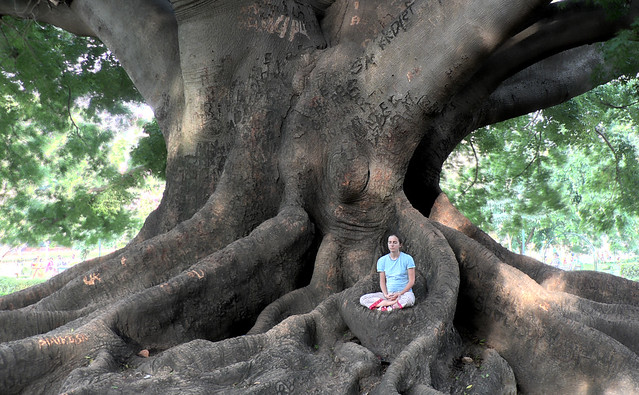
Focus
Recent studies show that meditating just 5
minutes a day improves focus. That's
pretty impressive. 5 minutes is less
than .5 percent of your day. You'll find
that the time you spend meditating is anything but wasted, since the benefits
affect you 24/7. Improved focus makes us
better at our jobs, our studies and more engaged as conversationalists. Meditation promotes productivity over
distractions, and the focus is results in is not stressed-out focused, but
diligent, calm focus. That's a pretty
huge benefit.
Decision-making
This ties into the previous two, but I recall
one time I was a little kid and couldn't make a decision, and my teacher told
me to stop and count to ten, and then try again. Meditation in the morning is like stopping
and counting to ten, but sometimes it lasts for the whole day. The clarity of mind that develops over time
will undoubtedly improve your decision-making skills.

Non-attachment
When you first learn meditation, the
breath is the most important part of your practice. Breathing is your anchor, meaning it serves
as a support you can count on when distracting thoughts pop into your head
while you're sitting. When a thought
comes up, just go back to the breath. Distraction? Back to the breath. Focusing on the breath is subconscious
training for non-attachment, which is a hugely important part of Buddhism, and
also of happiness. When we attach
ourselves to thoughts, people, things, etc, we stake our happiness on the
possession of them. Meditation teaches
us to let go of thoughts; this translates into action in our daily lives, and
once you meditate for a while, you'll find yourself less attached to outcomes
and possessions.
Posture
Sitting in Zen meditation promotes upright
posture, which not only improves the way you feel physically but also helps
with self-confidence and body image. Zen
aims not to concern itself with appearances, especially physical appearances, but
chances are, if you're feeling better, you're looking better too.
Brain power
Not only have studies revealed meditation's
benefits on focus; brain power might improve, too. People who meditate frequently tend to have a
thicker cortex in certain parts of their brain.
Granted, according to that article, these are people who meditate 20
minutes twice a day, but you can always start small and work your way up to a
regimented long-term meditation schedule.
Like anything, it just takes practice.

Creativity
The most interesting example here that I'm
aware of is legendary film director David Lynch's wonderful book, Catching the
Big Fish: Meditation, Consciousness and
Creativity. In it, Lynch discusses how
his meditation has influenced his filmmaking style and artistic
philosophy. In clearing the mind and
reaching into the subconscious, we can come up with new ideas that could have
been left undiscovered without the aid of meditation. Doesn't matter if you're a painter, writer,
or businessperson-- new ideas and a new perspective can aid you in anything you
do. I'm currently reading Steve Jobs'
biography, and it's cool to see how many of the ideas he had for designs and
business models came from his Zen meditation and Eastern-inspired personal
philosophy of minimalism.
Discipline
Lastly-- and maybe most importantly-- is a
benefit of meditation that ties into every other benefit. When you consciously commit to do something
for a specific amount of time every day (like meditate twice a day for 10
minutes) you're training yourself to have self-discipline. This attitude will ideally carry over into
other aspects in your life, like work, study and personal problem-solving. Since I've started meditating, I find I have
more patience and get less frustrated with issues, both personally and
professionally. I have a newfound
self-discipline that allows me to set deadlines for myself and work things
out. I truly think that if you give
meditation a try, you'll find you achieve similar benefits.
domingo, 22 de janeiro de 2012
domingo, 8 de janeiro de 2012
sábado, 7 de janeiro de 2012
sexta-feira, 30 de dezembro de 2011
quarta-feira, 28 de dezembro de 2011
Desejos para 2012

1 - Que a minha consciência esteja mais presente
2 - Que a minha capacidade de reconhecer as coisas boas seja maior
3 - Que a minha capacidade de lidar com as coisas que não gosto seja superior
4 - Que eu tenha mais capacidade em perdoar
5 - Que eu seja mais feliz com o que tenho
5 - Que eu seja mais feliz com o que tenho
6 - Que eu lute mais pelo que quero
7 - Que a minha ligação aos outros seja de melhor qualidade
8 - Que eu me sinta cada vez mais acompanhado
9 - Que a minha coragem me inunde
10 - Que a paz esteja comigo
10 - Que a paz esteja comigo
11 - Que a minha sinceridade seja mais fácil de aceder
12 - Que a minha comunicação e acção sejam mais construtivas
12 - Que a minha comunicação e acção sejam mais construtivas
domingo, 25 de dezembro de 2011
sábado, 24 de dezembro de 2011
sexta-feira, 23 de dezembro de 2011
quarta-feira, 21 de dezembro de 2011
segunda-feira, 19 de dezembro de 2011
domingo, 18 de dezembro de 2011
sábado, 17 de dezembro de 2011
domingo, 11 de dezembro de 2011
sexta-feira, 9 de dezembro de 2011
O Golfinho, a Carpa e o Tubarão
Existem três tipos de animais no mar, com diferentes modos
de proceder: as carpas, os tubarões e os golfinhos.
A carpa é dócil, passiva e quando agredida não se afasta nem
responde. Ela não luta mesmo quando provocada. Considera-se uma vítima,
conformada com o seu destino. Se alguém tem que se sacrificar, a carpa
sacrifica-se. Ela sacrifica-se porque acredita que há escassez. Neste caso,
para parar de sofrer ela sacrifica-se.
Carpas são aquelas pessoas que na vida sempre cedem, são os
que recuam; em crises, sacrificam-se por não poderem ver outros a
sacrificarem-se. Jogam o perde-ganha, perdem para que o outro possa ganhar.
Declaração que a carpa faz para si mesma: "Sou uma
carpa e acredito na escassez. Em virtude desta crença, não espero jamais fazer
ou ter o suficiente. Assim, se não posso escapar da aprendizagem e da
responsabilidade permanecendo longe deles, eu sacrifico-me."
Neste mar existe outro tipo de animal: o tubarão. O tubarão
é agressivo por natureza, agride mesmo quando não provocado. Ele também crê que
vai faltar. Ele acredita que, já que vai faltar, que falte para outro, não para
ele! O tubarão passa o tempo todo a procurar vítimas para devorar porque ele
acredita que podem faltar vítimas. Que vítimas são as preferidas dos tubarões?
Acertou: as carpas!…
Tanto o tubarão como a carpa acabam viciados nos seus
sistemas. Costumam agir de forma automática e irresistível. Os tubarões jogam o
ganha-perde, eles tem que ganhar sempre, não se importando que o outro perca.
Declaração que o tubarão faz para si mesmo: "Sou um
tubarão e acredito na escassez. Em razão desta crença, procuro obter o máximo
que posso, sem nenhuma consideração pelos outros".
Neste mar que é a vida, há um terceiro tipo de animal: o
golfinho. Os golfinhos são dóceis por natureza. Mas quando atacados respondem e
se um grupo de golfinhos encontra uma carpa a ser atacada eles defendem a carpa
e atacam os agressores.
O comportamento dos golfinhos em volta dos tubarões é
lendário e, provavelmente, eles fizeram por merecer essa fama. Usando a
astúcia, eles podem ser mortais para os tubarões. Matá-los com mordidas? Oh,
não! Os golfinhos nadam à roda e martelam, nadam e martelam. Usando os seus
focinhos bulbosos como clavas, eles esmagam metodicamente a "caixa
torácica" do tubarão até que a mortal criatura deslize impotente para o
fundo.
Mais do que pela perícia no combate ao tubarão, escolhi o
golfinho para simbolizar as nossas ideias sobre como tomar decisões e como
lidar com épocas de rápidas mudanças devido às habilidades naturais deste
mamífero para pensar construtiva e criativamente. Quando não conseguem o que
querem, eles alteram o comportamento com precisão e rapidez, algumas vezes de
forma engenhosa, para buscar aquilo que desejam. Golfinhos procuram sempre o
equilíbrio, jogam o ganha-ganha, procuram sempre encontrar soluções que atendam
as necessidades de todos.
Declaração que o golfinho faz para si mesmo: "Sou um
golfinho e acredito na escassez e na abundância potenciais. Mas podemos
aprender a tirar o melhor proveito da força e utilizar os recursos de um modo
elegante. Os elementos fundamentais do modo como crio o meu mundo são a
flexibilidade e a capacidade de fazer mais com menos recursos."
Se os golfinhos podem fazer isso, por que não nós? Acredito
que podemos!
quarta-feira, 7 de dezembro de 2011
Subscrever:
Mensagens (Atom)